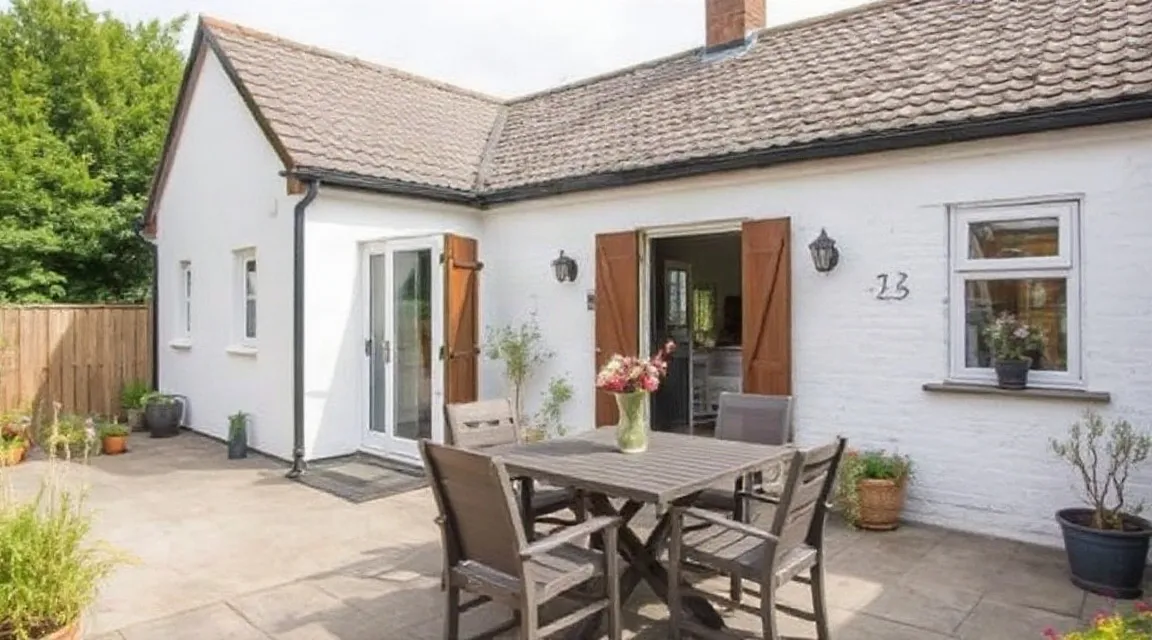
Garden cottage
A single-storey home with its own patio and a step-free entrance. We imagine a kitchen you can work in comfortably and a bathroom you can walk straight into.
Concept only: size, price and availability not set Alpine Brook Harbor
Three styles of home are on our drawing board. This page also explains, in general terms, what to look for in any senior housing agreement. No home is offered through this website.
Status in one line: planning. No prices, availability, floor areas or contract terms are published, and no money is requested through this website.
A single-storey home with its own patio and a step-free entrance. We imagine a kitchen you can work in comfortably and a bathroom you can walk straight into.
Concept only: size, price and availability not set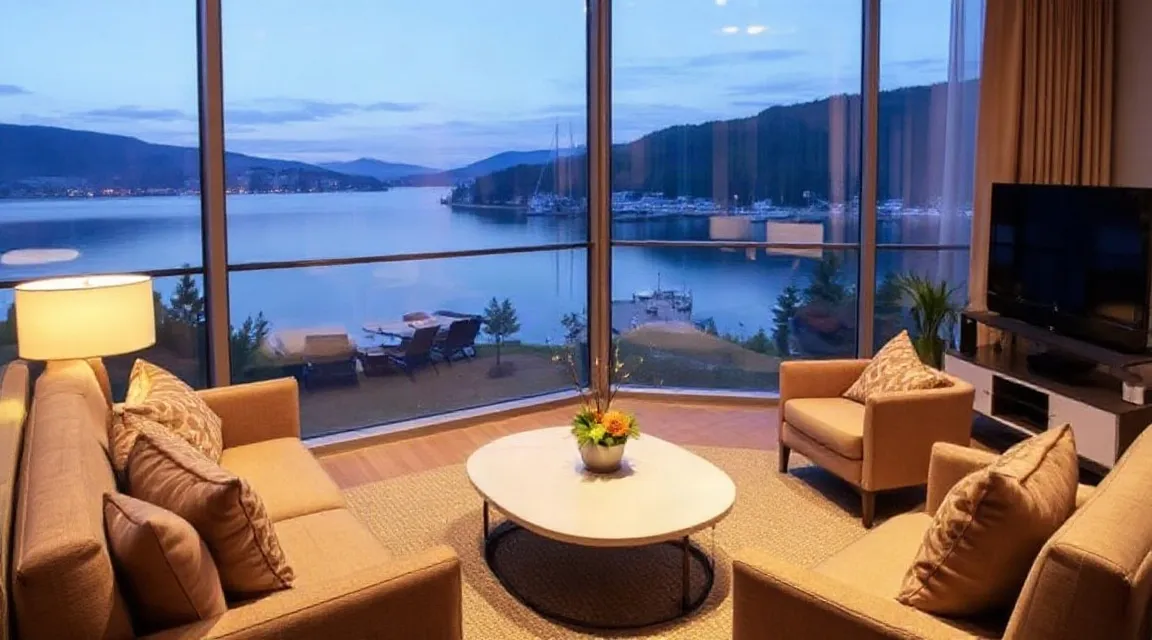
An apartment in a shared building with an open living area and big windows, reached by lift. A good fit for someone who would like less garden to look after.
Concept only: size, price and availability not set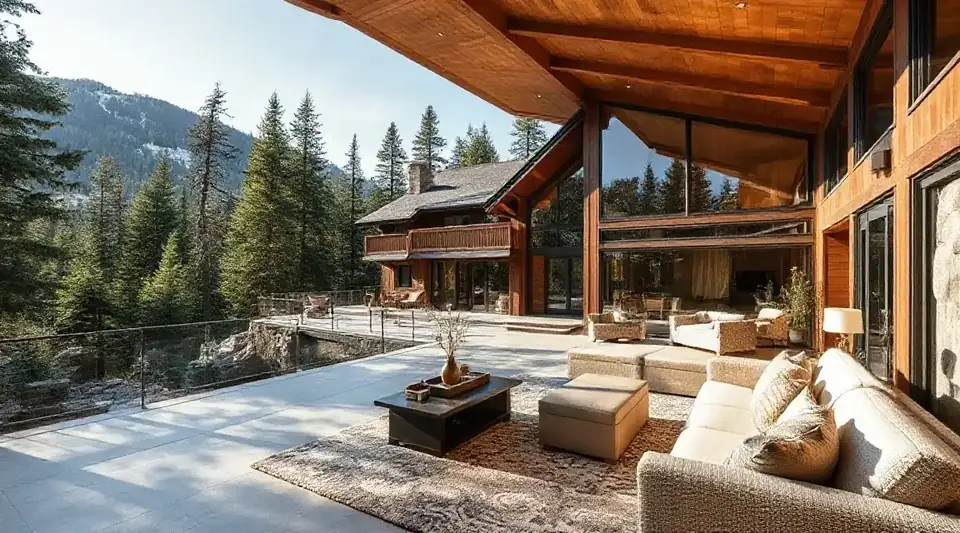
A larger detached home with a garden and room for family to stay, for people who want space more than convenience.
Concept only: size, price and availability not setThe images are illustrations of the idea. They are not photographs of homes that exist, and some show scenery the real site may not have.
We have not chosen a model. The three below are common in Japan, and each carries different protections, costs and risks. This is general information, not advice.
A buyer owns the home, registers the title and pays the taxes that go with ownership. Resale is the owner's matter. Selling property requires a real estate licence.
A tenant pays rent and usually a deposit, under a lease governed by Japanese tenancy law. The owner keeps the building.
Some senior residences grant a right to use a room, paid for by an entrance payment (入居一時金) and monthly fees. Refund rules differ widely, which is why they deserve close reading.
Licences and registration. Selling or brokering real estate in Japan requires a 宅地建物取引業 licence, and a residence that provides care or meals for older people must be notified or registered with the prefecture. This website states no licence or registration number. If a number matters to your decision, ask us in writing and do not rely on a web page.
Use the form, or write to our enquiry office. Say what you want to know, and leave out health and financial details.
We tell you what exists and what does not, including where we have no answer yet.
By phone or at the enquiry office, by appointment, if you would like to.
Any real offer would come with a written explanation of important matters and a draft contract that you can take to a lawyer, a scrivener or your family.
We would not set a deadline to hurry you.

Moving home, paying an entrance sum or releasing capital from another property affects your savings, your taxes and your heirs. We do not give financial, tax or legal advice, and we do not arrange loans or insurance.
Please speak to your bank, a tax accountant (税理士) or a lawyer (弁護士) before you commit to anything, from us or from anybody else.
Write to us about housing. We will answer in writing and say plainly where something is not yet decided.